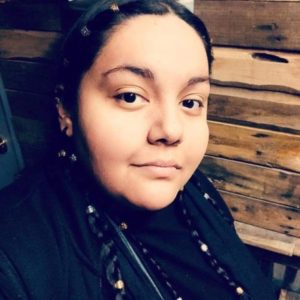
What happens when environmental science, fabrication, art, and community collide? For Sam Mejia, the answer became EcoPress Sacramento, a business built around turning local plastic waste into opportunity, education, and creative expression. What began as a personal frustration with waste has grown into a community-centered venture focused on sustainability, accessibility, and creative reuse. EcoPress has already earned $25,000 from local competitions, including the Calling All Dreamers competition and the Innovator Award at the WPWMA Circular Economy Innovation Competition.
In this Startup Story, Sam shares the experiences that shaped EcoPress Sacramento, the realities of building an interdisciplinary company, and lessons learned through entrepreneurship, resilience, and community building.
From Waste to Opportunity
What inspired you to start EcoPress Sacramento, and when did you first realize this idea could become a real business?
Sam: EcoPress Sacramento started from a mix of frustration, curiosity, and creativity. I kept seeing so much plastic waste generated every day, especially from common household items like bottle caps and packaging, and I began researching ways artists and makers around the world were transforming plastic into usable materials. I have been an interdisciplinary artist for almost a decade, and I have always been bothered by my own waste as an artist. There had to be a better way. As someone with a background in science, art, and fabrication, I became fascinated by the idea of turning waste into something beautiful and functional instead of sending it to a landfill.
Before launching EcoPress, what was your personal or professional journey like, and how did it shape the work you are doing today?
Sam: My path has always been very interdisciplinary. I hold Bachelors Degrees in Environmental Science and Museum Studies, and I have worked across art, science communication, and makerspace studios. I have presented my own cephalopod research internationally, studied biodiversity abroad in Argentina, and worked extensively with fabrication tools like 3D printers, laser cutters, CNC machines, and ceramics.
Learning How to Build a Business
What were some of the biggest challenges you faced when starting EcoPress, and how did you work through them?
Sam: One of the biggest challenges was simply learning how to transition from “creative person with an idea” into “founder building an actual business.” There is a huge learning curve involving business structures, funding, pricing, operations, legal requirements, pitching, financial projections, and long-term planning.
Many founders struggle with self doubt or uncertainty early on. Was there a moment where you questioned whether this would work, and what kept you going?
Sam: Absolutely. I think almost every founder experiences moments where they wonder if they’re capable of pulling something this big together. There were times when I questioned whether people would take the idea seriously or whether I could sustain the workload financially and emotionally.
Building Beyond Products
EcoPress focuses heavily on community impact. Why was it important for you to build a company that goes beyond just selling products?
Sam: I never wanted EcoPress to be just a store. The environmental problems we face can feel overwhelming and disconnected from everyday life, and I wanted to create a space where people could physically engage with solutions in a creative and hopeful way.
You recently won the Calling All Dreamers competition and were recognized in the Circular Economy Innovation Competition. What did those experiences teach you about pitching and growing a startup?
Sam: Winning Calling All Dreamers and receiving the Innovator Award at the WPWMA Circular Economy Innovation Competition means the world to me and shows that EcoPress Sacramento is on the right path. These experiences taught me that storytelling is just as important as the business model itself. Investors, judges, and community members connect with authenticity and vision. People want to understand not only what you are building, but why it matters and why you are the person to build it.
Advice for Founders Taking Their First Step
What advice would you give to other founders or creatives who have an idea but are afraid to take the first step?
Sam: Start before you feel ready. Just jump all in and truly believe in yourself. Most people assume successful founders began with perfect plans and total confidence, but in reality, many businesses evolve through experimentation, failures, and small steps.
The Surprising Reality of Entrepreneurship
What has surprised you the most about building a startup and becoming a founder?
Sam: I have been surprised by how much of entrepreneurship is emotional resilience. People often focus on funding, marketing, operations or the logistics of the business, but a huge part of being a founder is learning how to handle uncertainty, rejection, constant problem solving without losing your vision, and pivoting when needed.
What is next for EcoPress Sacramento, and what kind of impact do you hope the company will have on Sacramento in the future?
Sam: Right now, EcoPress Sacramento is focused on expanding into a larger community-centered space that combines retail, workshops, fabrication, and sustainability education in the Paperworks building in Old Sacramento. Our grand opening is June 6th, and the Paperworks building will have a grand opening on June 27th. I am also building partnerships with local organizations, artists, schools, and businesses to create plastic collection systems and more opportunities for community engagement. We offer consignment sustainable artists
About EcoPress Sacramento
EcoPress Sacramento is a community-centered upcycling studio that transforms local plastic waste into sustainable art and functional goods. Through workshops, demonstrations, fabrication, and community partnerships, EcoPress helps people rethink waste and engage directly with circular economy practices. The company combines environmental education, accessibility, local action, and creativity to create a more sustainable future while empowering community participation.
Additional initiatives led by Sam include Makers Making Change Sacramento, a volunteer-driven effort creating custom assistive devices for people with disabilities, and Accessible Art Studio, which supports artists, educators, and entrepreneurs through creative fabrication services.
Wrap Up
EcoPress Sacramento demonstrates that entrepreneurship does not always begin with a business plan. Sometimes it begins with a problem that feels impossible to ignore. Sam Mejia’s journey highlights how personal experiences, interdisciplinary thinking, and community support can become the foundation for meaningful innovation. For early stage founders, this story serves as a reminder that you do not need every answer before starting. Progress often begins by sharing an idea, staying open to feedback, and building alongside your community.
Interested in learning about more programs that support entrepreneurs? Join our newsletter here to stay updated on opportunities and resources.